Thursday , 28 August 2014


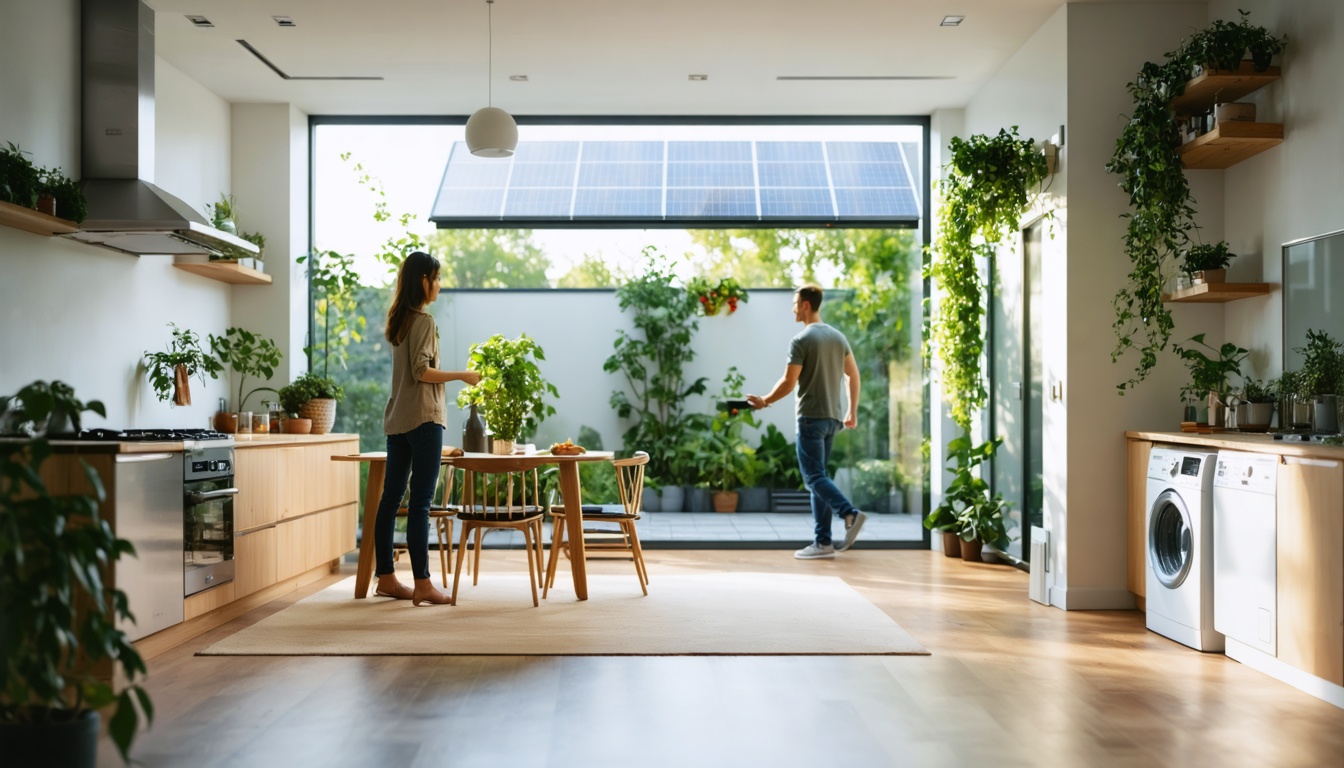
How Smart Energy Habits Can Reduce Household Electricity Waste
Many households underestimate the amount of energy wasted in everyday activities. Simple adjustments to routines can contribute significantly to reducing electricity consumption and, subsequently, lower utility bills. This can range from unplugging devices that are not in use to replacing older, less efficient appliances with newer models that meet current efficiency standards. For instance, it is estimated that standby power, often referred to as "phantom load," can account for 5-10% of residential electricity use. Devices such as televisions, computers, and chargers continue to draw power even when turned off but left plugged in. Unplugging these devices when they are not in use could result in noticeable savings over time. Furthermore, energy-efficient appliances often have better energy consumption metrics compared to their older counterparts. The implementation of more efficient technologies generally leads to less energy consumption for the same level of performance, which can be economically beneficial in the long run. In addition to these practices, utilizing smart home technology can assist in managing energy consumption by allowing homeowners to monitor and control their usage in more detail. Smart thermostats, for example, can optimize heating and cooling schedules based on occupancy, potentially leading to further reductions in energy costs. Overall, recognizing and addressing the common sources of electricity waste can lead to more efficient energy usage in households and help consumers manage their energy expenses more effectively.
Understanding Household Energy Consumption
Understanding Household Energy Consumption
Determining the annual electricity consumption of a household can provide insights into energy use and expenditures. In the United States, the average residential energy consumption is approximately 10,332 kilowatt-hours (kWh) per year, resulting in an estimated annual cost of around $1,656.
Several factors can influence monthly energy costs. Consistent usage of lighting, the number of electronic devices connected to outlets, and inefficiencies in insulation and sealing around doors and windows are common contributors. Additionally, the phenomenon of phantom power, where devices continue to consume electricity while turned off, can also affect total energy consumption.
To reduce energy usage and associated costs, households can implement several practical strategies. Unplugging devices when they are not in use, switching to energy-efficient LED light bulbs, and maximizing the use of natural light can provide measurable savings.
Other measures include turning off lights when leaving a room, utilizing smart power strips that cut power to idle devices, and maintaining efficient heating and water heating systems.
In conclusion, making small changes in household energy practices can lead to significant reductions in energy consumption and related costs.
Distinguishing Energy Efficiency from Energy Conservation
Understanding the distinction between energy efficiency and energy conservation is crucial for making informed decisions aimed at reducing electricity consumption in households.
Energy efficiency is defined as the use of technologies or products that require less energy to perform the same function compared to their less efficient counterparts. For instance, the replacement of incandescent light bulbs with LED bulbs or the upgrade to a modern refrigerator serves as examples of energy efficiency. Such practices can lead to reduced utility expenses over time without compromising functionality.
In contrast, energy conservation encompasses behavioral changes that lead to a decrease in energy use without necessarily investing in new technologies. For example, actions such as turning off lights when they are not needed or unplugging devices that are not in use reflect energy conservation efforts.
Both energy efficiency and energy conservation are important for reducing overall energy costs and minimizing environmental impacts.
Employing a combination of efficient appliances, such as a high-efficiency water heater, along with energy-saving practices, like utilizing a power strip for devices, can result in significant savings. For those looking to further enhance sustainability, partnering with a local solar panel company in Medford can provide additional energy efficiency benefits. A clear understanding and application of these concepts allow individuals to contribute to a more sustainable energy consumption pattern.
Common Energy-Wasting Behaviors and Solutions
Everyday household actions can lead to unnecessary electricity consumption and increased utility expenses. One notable behavior is the habit of leaving lights on, especially when using older incandescent bulbs, which are not energy-efficient. Switching to LED light bulbs can alleviate this issue, as they consume less energy and have a longer lifespan. This transition can contribute to lower utility bills over time.
The use of smart home systems can further enhance energy management. These systems are designed to automatically turn off lights and can help reduce phantom power usage. Phantom power refers to the electricity consumed by devices that are plugged in but not in active use, such as those on standby. Unplugging these devices or employing smart plugs can address phantom power concerns effectively.
Operational habits also impact energy efficiency. For example, frequently opening the refrigerator door allows cold air to escape, requiring additional energy to maintain internal temperatures. To improve energy efficiency, it is advisable to limit both the frequency and duration of refrigerator door openings.
Maintaining a fully stocked freezer can also enhance energy efficiency. A full freezer retains cold air more effectively than an empty one, reducing the energy needed to keep items frozen.
Additionally, optimizing the management of water heaters by appropriately setting their temperatures can lead to further energy savings.
Implementing straightforward strategies, such as utilizing power strips for multiple devices and maximizing the use of natural light during daylight hours, can contribute to significant reductions in electricity consumption and associated costs.
These practices support a more energy-efficient household and can lead to long-term financial benefits.
Practicing Energy-Efficient Home Improvements
Prioritizing energy-efficient home improvements can result in noticeable reductions in household energy consumption and monthly expenses. One practical measure is washing clothes in cold water, which conserves energy by decreasing the need to heat water, while also helping to preserve the longevity of garments.
Setting the water heater to a maximum temperature of 120°F is another effective strategy. This action can reduce energy expenses while still meeting the necessary hot water demands for everyday use.
Maintaining HVAC systems is critical; regularly cleaning air filters—ideally on a monthly basis—ensures the system operates efficiently, thereby enhancing energy performance.
Moreover, the installation of a smart thermostat can optimize energy management within the home. These devices adjust heating and cooling settings based on occupancy patterns, which helps reduce energy usage during periods when the home is unoccupied.
The transition to LED light bulbs is also recommended, as they consume significantly less energy than traditional incandescent bulbs. Additionally, utilizing power strips can help eliminate phantom power draw, which refers to the energy consumed by electronics when they are not actively being used.
Reducing the operational frequency of appliances, such as refrigerators, dishwashers, and water heaters, can further enhance energy savings.
In conclusion, implementing these practical measures can lead to significant decreases in utility costs, underscoring the importance of energy-efficient practices in residential environments.
Advantages of Reducing Electricity Waste
Electricity waste can significantly impact both household expenses and environmental sustainability. By reducing unnecessary electricity consumption, households can achieve measurable financial savings. For example, practices such as turning off lights in unoccupied rooms, using LED bulbs, and unplugging devices that remain connected to power sources can contribute to reducing electricity bills.
Using power strips to manage multiple electronics can help mitigate "phantom load," which is the electricity consumed by devices that are turned off but still plugged in. Additionally, keeping the refrigerator door closed during use helps maintain its internal temperature more efficiently, thereby reducing electricity consumption.
Research suggests that implementing these conservation strategies can result in savings of approximately 25% on monthly utility expenses. Moreover, reducing electricity waste can lead to improved air quality by lowering emissions related to electricity generation.
This practice also decreases thermal output from appliances like water heaters, further improving energy efficiency. In summary, the advantages of conserving electricity not only include immediate financial benefits but also contribute to long-term environmental sustainability.
Establishing Smart Daily Energy Habits
Establishing effective daily energy habits can be achieved without major changes to one’s routine, but it requires a consistent focus on daily choices. Implementing straightforward actions, such as turning off lights when they are not in use, making use of natural light, and substituting traditional light bulbs with LED alternatives can lead to tangible energy savings and decreased costs.
Additionally, disconnecting devices that are not actively being used can mitigate phantom power consumption, thereby increasing potential savings over time.
Optimizing meal planning to reduce reliance on appliances is a practical approach to further decrease energy usage. For example, washing clothes in cold water not only conserves energy but also helps to prolong the lifespan of textiles.
Furthermore, ensuring that refrigerator doors are closed promptly contributes to maintaining the appliance's efficiency.
It is important to educate children about the importance of energy conservation and to instill environmentally responsible habits from a young age. Implementing minor adjustments, such as using a power strip for multiple electronic devices, can cumulatively result in significant reductions in energy consumption.
In conclusion, consistently applying these energy-efficient practices can lead to substantial energy savings and cost benefits over time.
Enhancing Appliance and Lighting Efficiency
Improving the efficiency of household appliances and lighting is a practical method for reducing energy consumption and lowering utility costs. One effective strategy is to switch to LED light bulbs, which use substantially less energy than traditional incandescent bulbs. Moreover, maximizing natural light reduces dependency on electric lighting, which can lower energy expenses.
Implementing key practices, such as turning off lights when leaving a room and unplugging electronics that consume standby power—commonly known as phantom load—can result in measurable savings over time. Smart power strips are also beneficial, as they can control multiple devices, ensuring they are powered down when not in use.
Regular maintenance of appliances, such as cleaning refrigerator coils, improves their efficiency and extends their lifespan. Additionally, keeping refrigerator doors closed effectively retains cold air, thereby reducing energy use.
Choosing ENERGY STAR-rated appliances can further enhance energy savings. These products are designed to consume less energy than standard alternatives, which typically leads to reduced overall energy costs. Utility companies may also offer incentives for the purchase of energy-efficient appliances, which can provide additional financial benefits to consumers.
In summary, these strategies can lead to significant reductions in energy consumption and lower utility bills, representing a practical consideration for homeowners looking to enhance energy efficiency in their households.
Effective Heating and Cooling Management
To effectively manage heating and cooling in a home, it is important to utilize efficient appliances and set appropriate temperature parameters. A common recommendation is to set the thermostat to 20°C in winter and above 26°C in summer, which can help reduce energy consumption and lower utility expenses.
Sealing gaps around doors and windows is a critical step in enhancing the efficiency of heating and cooling systems. This practice minimizes drafts that contribute to energy loss, allowing the system to operate more effectively.
In addition, employing programmable thermostats can improve energy management by automating temperature adjustments based on the household's routine, potentially resulting in further energy savings.
The use of thermal blankets can also be beneficial, as they help retain heat and reduce the workload on hot water heaters.
Moreover, adopting energy-efficient lighting solutions, such as LED bulbs and ensuring lights are turned off when not in use, can enhance overall energy efficiency without compromising occupant comfort.
Implementing these strategies can lead to improved energy management in households and may result in long-term financial benefits through lowered utility bills.
Engaging Family Members in Energy Conservation
Engaging family members in energy conservation can effectively reduce electricity consumption. By adopting straightforward practices—such as turning off lights when they are unnecessary, utilizing natural light as much as possible, and unplugging electronic devices to reduce phantom power consumption—households can achieve significant energy savings.
Key actions include promptly closing refrigerator doors and ensuring that filters in heating and cooling systems are clean, as these measures improve appliance efficiency.
Switching to LED light bulbs, which have a lower energy consumption compared to traditional incandescent bulbs, represents another practical step that can lead to reduced energy use. Additionally, implementing a power strip for multiple electronics simplifies the management of these devices, making it easier to disconnect power when they are not in use.
Establishing incentives for energy-saving actions and providing educational resources can encourage family members to adopt these practices consistently. Over time, such habits can contribute to noticeable reductions in utility bills, demonstrating the financial advantages of energy conservation without necessitating major lifestyle alterations.
Furthermore, a collective commitment to energy efficiency within the household can yield both economic and environmental benefits.
Conclusion
Adopting smart energy habits can lead to a reduction in household electricity waste and subsequently lower monthly bills. Simple actions such as unplugging devices that are not in use, upgrading to energy-efficient appliances, and actively monitoring energy consumption can have a measurable effect on overall energy usage. Engaging family members in energy-saving practices, along with utilizing available technologies such as smart meters or energy monitoring apps, can further enhance efforts to conserve energy. The cumulative impact of these individual actions can result in a more comfortable living environment, a decrease in energy expenditure, and a reduced carbon footprint, contributing to sustainability goals. Integrating these energy-saving habits into daily routines has the potential to bring about meaningful changes in household energy consumption patterns.